Seven scenarios

You know the moment.

The new range is finished, the press calendar is locked, and the photography brief has not even been scoped yet. The launch is in six weeks and there are no images. We exist for that moment, and for the six other moments a manufacturer marketing calendar throws at them every quarter. This page walks through seven of them. If any read like your last Tuesday, we should talk.

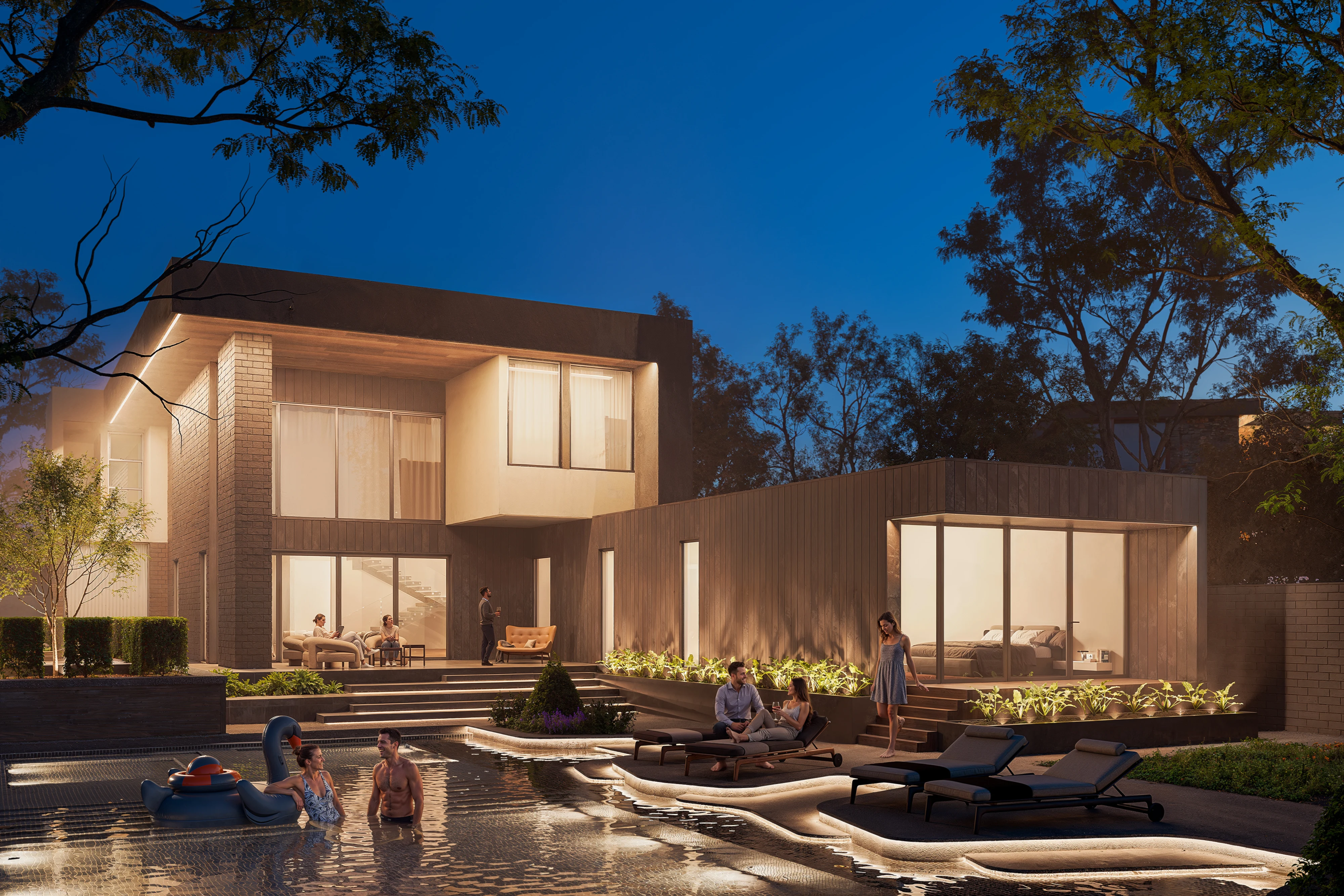
Photorealistic launch hero render of a luxury residential exterior with pool at dusk
01

The product launch that arrived faster than the photography

The moment

Your new kitchen range, sauna model, or door system is signed off and ready to ship. Marketing has been planning the launch for four months. The first prototype is being assembled this week. Photography is booked, but only after the prototype installs into a real client home, which will not happen for another eight weeks. Meanwhile, the trade press deadline for launch coverage is in twelve days.

What it costs you

The first six weeks of a product launch define its commercial trajectory. Press coverage, social momentum, retailer enquiries, and inbound leads all peak in that window. Going to market with no imagery, or with rendered placeholder visuals from the configurator, costs you the entire launch curve.

How we solve it

We work from your engineering files, CAD models, finish swatches, and material specifications to produce launch-ready imagery before the first prototype is installed. A typical launch package delivers a hero image, three detail crops, two lifestyle context renders, and four social-format variants, all from a single coordinated scene file, all colour-matched to your actual product specifications, all delivered within four weeks of brief. Your launch coverage runs to schedule. Your sales team has assets the day the order book opens.
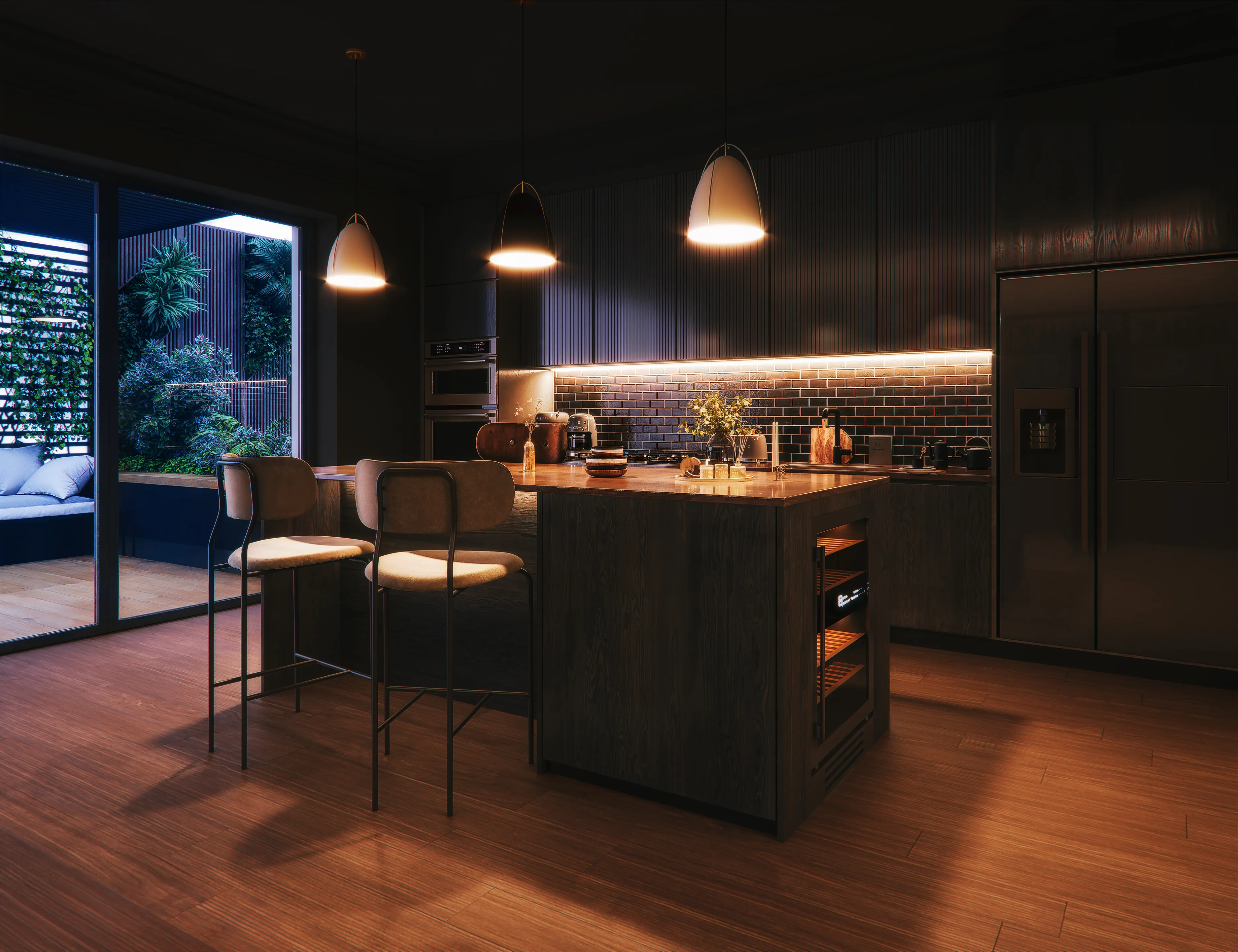
Bespoke kitchen visualisation showing a single scene rendered with refined materiality
02

The catalogue refresh that does not scale with photography

The moment

Annual catalogue production season. Your range has expanded. Twelve cabinet styles in thirty finishes, or eight sauna cabin formats with five timber options each. Marketing asks the photography budget what it would cost to shoot every variant. The number comes back. The number is impossible. The catalogue ships with thumbnail product cutouts on white backgrounds, and your brand looks like a discount supplier instead of a premium one.

What it costs you

Premium positioning lives or dies on imagery consistency. A range catalogue that shows your hero products in styled context but your variant range as flat cutouts trains the buyer eye to see your brand as two-tier. The variants, which often carry the highest margin, get sold as second-class because they look second-class.

How we solve it

One scene, every variant. We build a master 3D scene representing the styled context (a finished kitchen, a real-feeling outdoor sauna setting, a hallway with your door system installed) and then render it across every product configuration, finish option, and material variant you stock. Cost per image drops dramatically as the variant count rises, because the staging, lighting, and art direction is done once. Your full range is shown in the same premium context, with the same light, the same materiality, the same brand voice across every page of the catalogue.

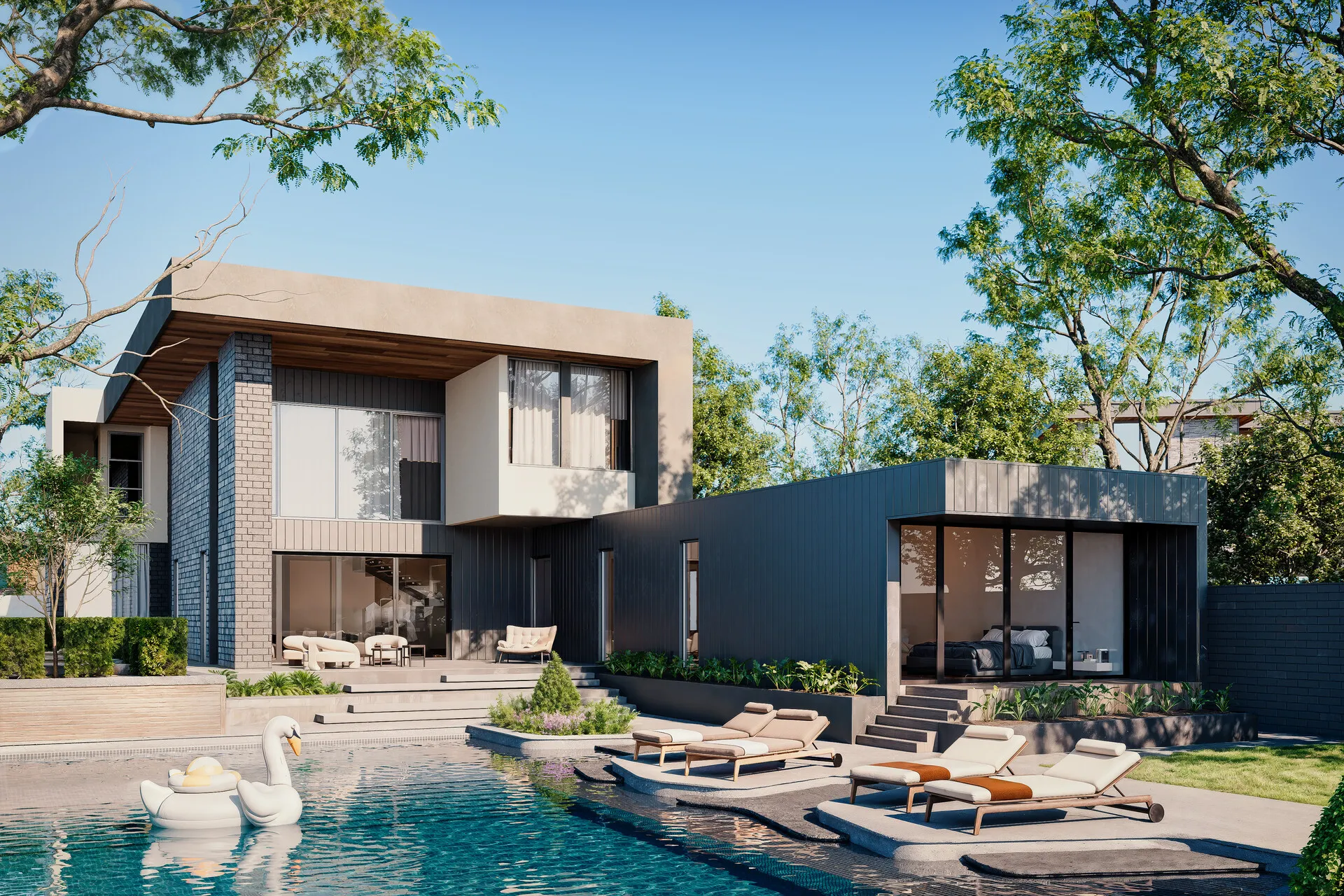
Wide architectural CGI of a luxury residence that holds up at trade-show scale
03

The trade show stand that needs to win the aisle

The moment

Six weeks until kbb Birmingham. The stand graphics are being printed at three metres tall. You have a beautiful photograph of your hero kitchen, but it was shot for a magazine spread at a fixed aspect ratio and the resolution cannot hold a three-metre print. The stand designer needs a portrait-format hero, a square detail crop, a horizontal panoramic for the back wall, and a video loop for the screen above the reception desk. The photographer can re-shoot, but the kitchen has now been sold and removed.

What it costs you

Trade show floor space costs in the tens of thousands. Visitor attention is won or lost in the seven seconds it takes someone to walk past your aisle. Stand graphics that look stretched, low-resolution, or visibly composited mark your brand out as not quite premium, however good the products themselves are.

How we solve it

CGI is medium-agnostic from the start. The same scene file produces a three-metre-tall portrait stand graphic at print resolution, a one-by-one Instagram crop, a 16:9 video wall loop, a brochure cover, and a presentation slide. Every asset rendered specifically for its intended use, every asset visually consistent with the others. Trade show campaigns become coordinated visual suites rather than scrambled adaptations of existing photography.

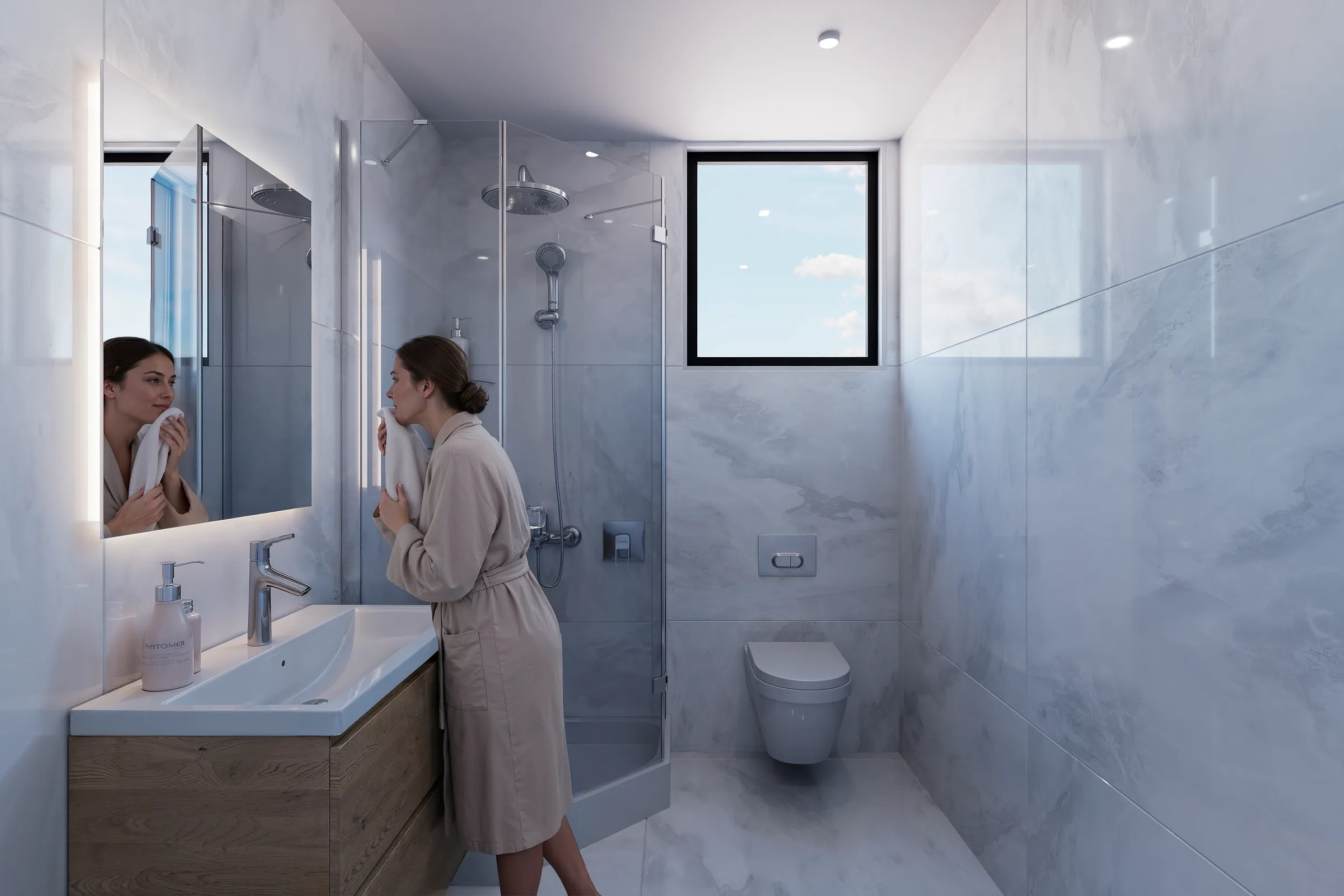
Lifestyle render of a marble ensuite bathroom for e-commerce product pages
04

The product page that needs to convert without a showroom visit

The moment

Your direct-to-consumer site is your largest sales channel. Each product page has a cutout product image, three angle variants, a size chart, and a description. The conversion rate is fine. It could be better. You have seen the analytics from when you A/B tested adding a lifestyle context image to the top of a page. Conversion lifted. But producing styled lifestyle photography for every product in the range, in multiple settings, is logistically and financially out of reach.

What it costs you

In e-commerce, every percentage point of conversion rate translates directly to annual revenue. A product page that shows your sauna only as a white-background cutout converts visibly worse than the same product shown in a styled home setting at golden hour. The customer cannot touch the product, so they buy what they can feel through the imagery. Weak imagery is the most expensive variable on your entire site.

How we solve it

Lifestyle context renders, scaled across your range. We build coherent scene libraries (a contemporary apartment, a rural family home, a coastal retreat, a London townhouse) and render every product in your catalogue across them. Every product page gets the same premium lifestyle treatment, every category page reads as a curated edit rather than a parts list. The conversion lift compounds across the entire site.

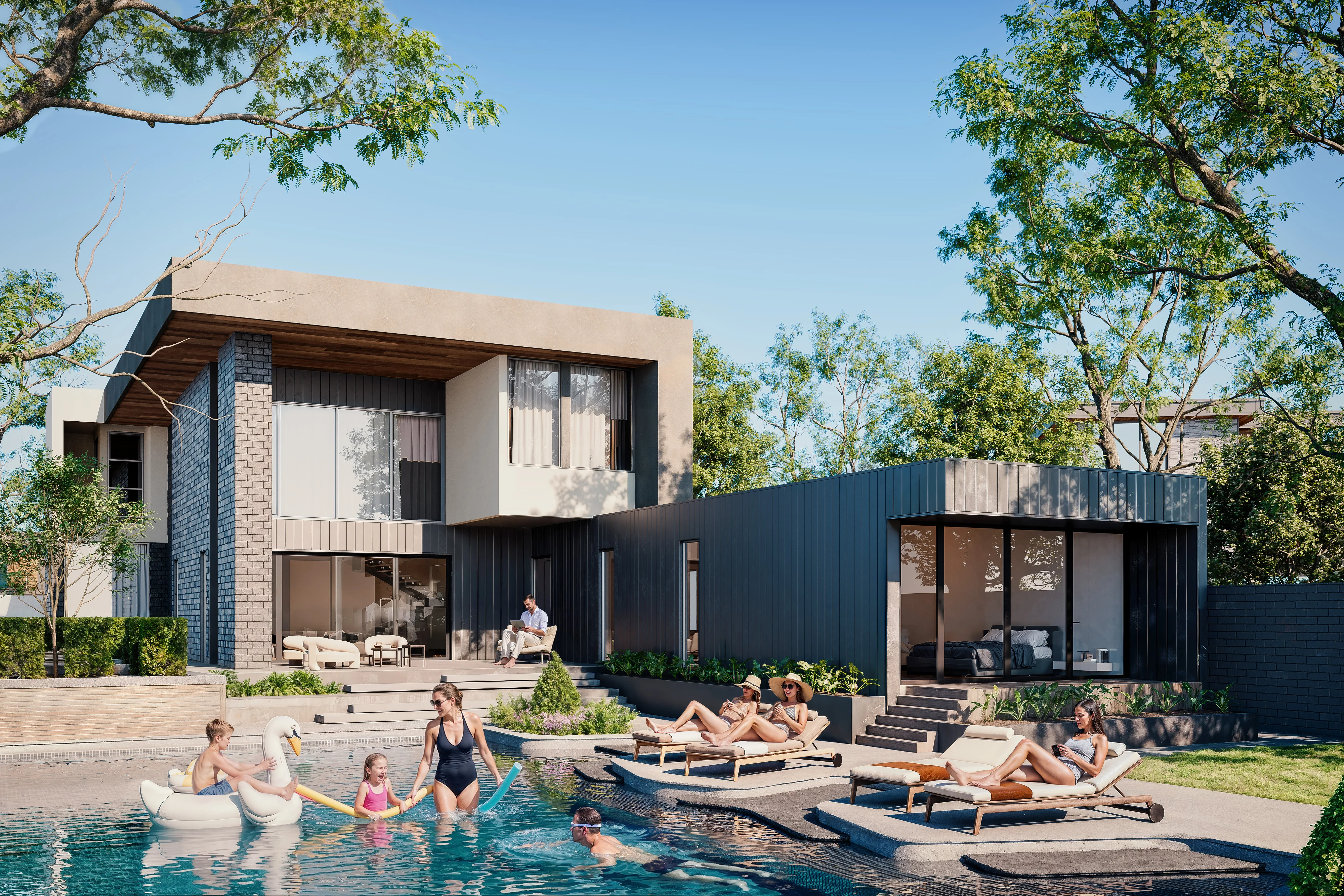
Client-specific bespoke visualisation showing a luxury residence with figures
05

The bespoke commission that is about to slip

The moment

A client visited the showroom three weeks ago. A 45,000 pound bespoke kitchen, signed-off design drawings, deposit invoice issued. The deposit has not come back. The salesperson called yesterday and the client is still thinking, which usually means they cannot quite picture what they are paying for. The drawings are technical. The mood boards are inspirational but not specific to their kitchen. They are about to lose nerve, and there is nothing in the sales kit that bridges the gap.

What it costs you

Bespoke commissions are the highest-margin work a manufacturer does. They are also the slowest to close and the most prone to late-stage scope changes when clients second-guess decisions they did not fully understand at quotation. Every bespoke deal that stalls in the deposit window is six figures of revenue at risk over the year.

How we solve it

A single bespoke visualisation, produced in the gap between design sign-off and deposit. The client sees their kitchen, in their light, with their finish choices, before they commit. Sales cycles compress dramatically. Deposits arrive faster. Late-stage change orders fall, because clients sign off knowing exactly what they are buying. For premium bespoke makers, this is the highest-ROI imagery you can commission. It is not marketing spend, it is a sales conversion tool with a measurable close-rate impact.

Material preview render demonstrating finish variants from a single scene
06

The configurator that needs hundreds of images, not one

The moment

You have commissioned a website configurator. Pick the size, then the wood type, then the heater, then the door style, then the glazing option, see your selection. The development quote came back reasonable. Then the imagery quote arrived. The configurator needs every combination visualised, which means hundreds or thousands of images, and the photography budget would fund a new factory line. The project gets descoped to generic product cutouts and the configurator launches looking cheap.

What it costs you

A configurator with weak imagery is worse than no configurator at all. It trains visitors to perceive your brand as a tick-box catalogue rather than a premium-bespoke proposition. The single largest investment in your digital experience ends up undermining your brand positioning.

How we solve it

Scene-based variant generation, built specifically for the configurator workflow. We build a master scene that holds every variable as a swappable parameter (wood type, heater, glazing, finish, accessories, size). The render pipeline produces the full library of variant combinations from that single scene, with identical lighting, identical camera angle, identical styling across every permutation. Your configurator becomes a premium digital experience instead of a procurement form. New variants can be added later by extending the same scene file rather than starting again.

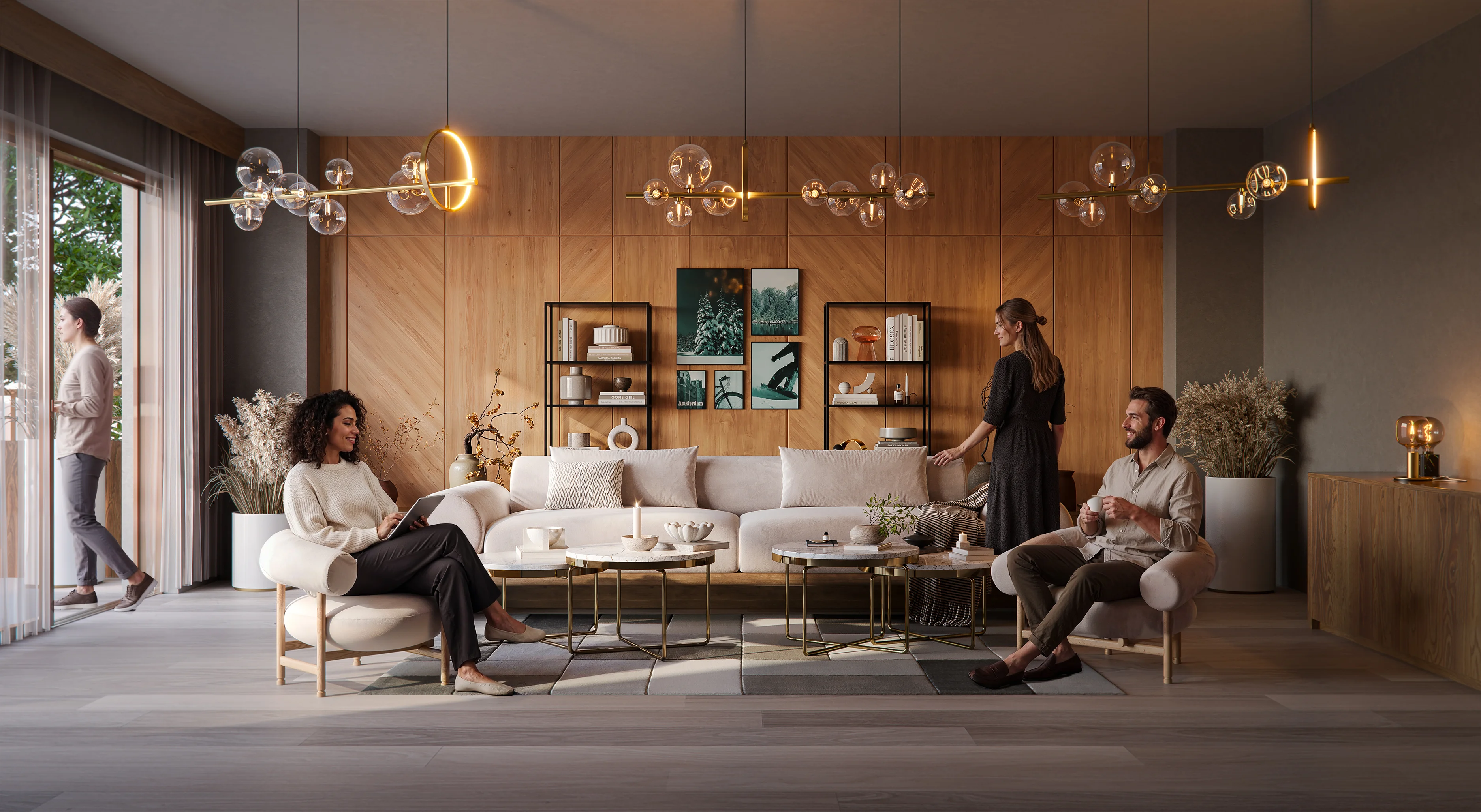
Styled living room lifestyle render that anchors a year of social content
07

The Instagram feed burning through assets faster than you can produce them

The moment

Your social manager is posting three times a week minimum. Last quarter photography shoot produced 40 usable images. By month two, the rotation is becoming obvious. The reach numbers are slipping. Booking another shoot every six weeks is not sustainable financially, and even if it were, the logistics (booking real client homes, styling, photographer schedules) make the cadence impossible.

What it costs you

Social presence is no longer optional for premium manufacturers. Instagram and Pinterest are where buyers discover your brand and where they make the first emotional decision about whether you are right for them. A stale feed reads as a stale brand. A vibrant feed compounds reach exponentially over time. The cost of an under-fed social channel is a slow erosion of brand awareness that is invisible until it is not.

How we solve it

Once a 3D scene exists, it produces content indefinitely. The same scene that delivered the hero image for the catalogue can produce a dusk variant for autumn social, a snow variant for Christmas, a different camera angle for Reels, a detail crop for Stories, a finish-swap for a product highlight. We build content libraries deliberately. One scene, twelve months of content. The cadence becomes sustainable. The brand voice stays consistent. The marketing team stops scrambling.

Recognise one of these?

Pick the package that matches the moment, or send a brief and we will scope the rest together.